
Why this damp work is planned carefully
Cause checked first
We look beyond the stain itself, helping avoid money spent on the wrong repair.
Winter timing explained
Colder weather can slow drying, and we set that out clearly before later finishes are booked.
The cause matters as much as the cure
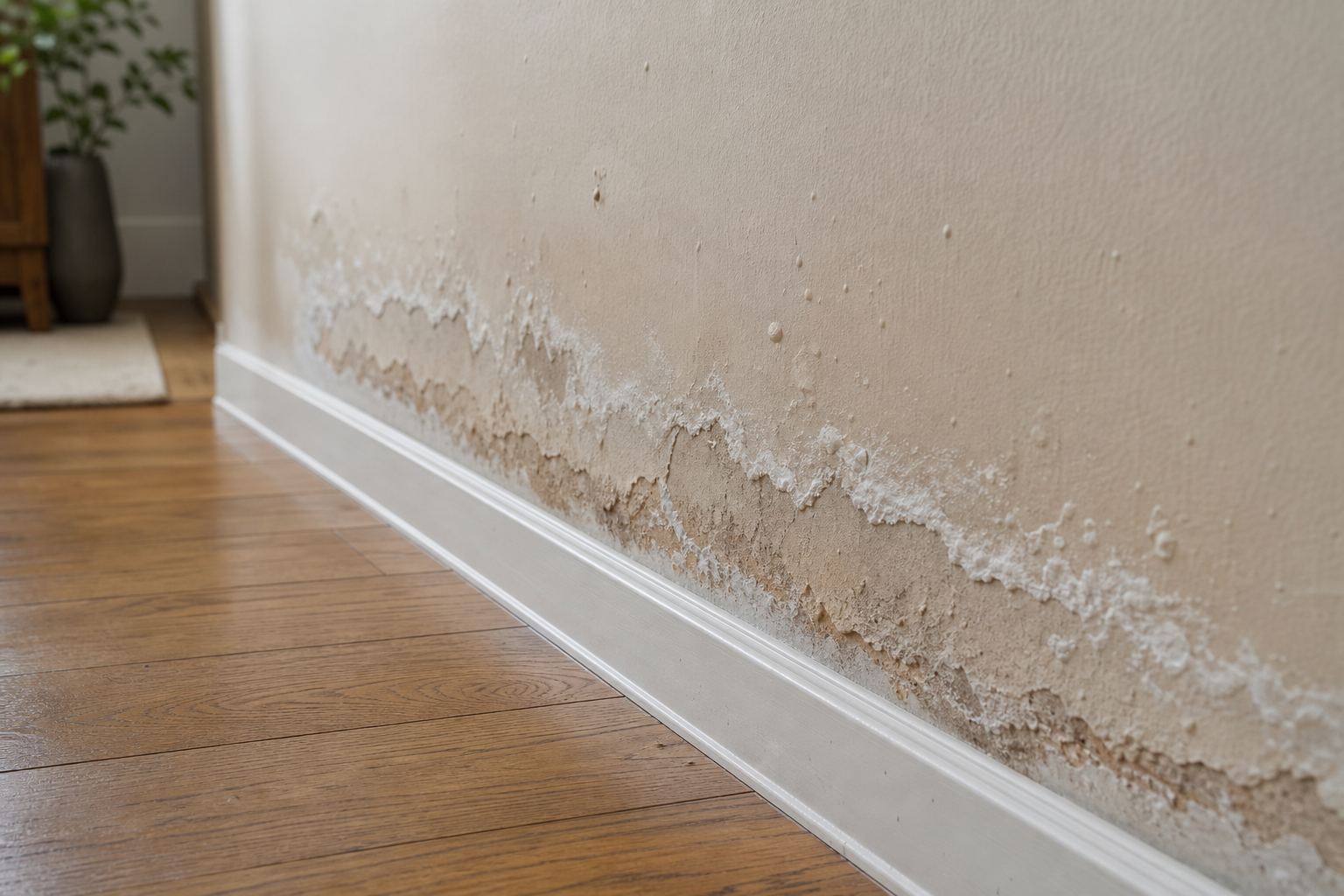
Damp can come from different places, and the right fix depends on knowing what is feeding it. In Harrogate, we investigate damp problems by looking for the common signs people notice first, such as tide marks, peeling paint, musty smells, mould growth and cold, damaged walls. At M & W Maintenance, we focus on identifying whether moisture is rising, getting in from outside or building up through condensation before any finishing work is planned. That matters because untreated damp can keep spoiling plaster, paint and room air quality, even after a quick cosmetic patch.
Realistic timings before the room is finished
Once the likely cause is understood, we explain what needs to happen on site and what the drying period may mean for the next stage. Areas may need clearing for access, and good ventilation and sensible heating can be important while walls dry out. With M & W Maintenance, damp repairs can be followed by making good, including plastering, skimming or rendering where needed, so the room is brought back properly. We are also honest about winter projects, when colder conditions often stretch drying times before redecoration or refitting can begin.
Frequently asked questions
How do you tell what type of damp I have?
We start by looking at where the problem appears, how the wall feels, what the visible signs suggest and whether ventilation, leaks or outside defects may be involved. That helps us work out if moisture is rising, getting through or forming through condensation.
How long before I can redecorate after damp work?
It depends on the cause, how wet the wall was and the time of year. We explain likely drying periods at the start because redecorating too soon can spoil the result. In colder months, the wait is often longer, and we would rather be honest than rush the finish.
Can you repair the wall after the damp is treated?
Yes. Once the damp issue is under control and the wall is ready, we can make good with plastering, skimming or rendering where needed. That is useful if you want the repair and the visible finish handled as one job rather than split between different trades.